Monday, March 19, 2012

Purple Deadnettle

I am so excited! A non-stinging nettle! After forking out loads and loads of the invasive weed that crept over the entire surface of our garden rows, I've finally identified it as purple deadnettle (Lamium perpureum). The identification part is satisfying enough, but on top of that, it's edible, medicinal, and nutritious!

Purple deadnettle can be identified by it's square-shaped stem (indicating its membership in the mint family) and heart-shaped hairy leaves that extend from short petioles. The leaves towards the top tend to have a reddish tint, and the flowers are purple. It is a favorite of bees and butterflies (as a testament to this, I saw countless honeybees dining on this mystery weed just last week!). At first I thought its other name, Purple (or red) Archangel was way cooler, but apparently it's called "dead" because it won't sting you, like other nettles will!

This plant comes out in early spring, and is often the first in the garden. Gather aerial parts when flowers are in bloom. The entire plant is edible, and can be dried for later use. Contains iron, fiber, flavonoids (quercetin and vitamin C), and anti-oxidants.

Boil for 20-30 minutes to prepare as a "pot-herb." Can be treated like spinach, or included raw in salads.

Bruise leaves and apply topically to stop bleeding. Use as a tea to induce perspiration and act on kidneys. Good for chills. It is also anti-inflammatory and anti-microbial. Some use it to control or reduce allergies.

Resources
http://www.naturesherbal.com/Purple_Dead_Nettle.htm
http://www.botanical.com/botanical/mgmh/n/nettle03.html#pur
http://earthenstewards.wordpress.com/2012/02/07/lamium-purpureum-purple-dead-nettle-herbal-ally/
http://www.livestrong.com/article/485502-purple-dead-nettle-and-allergies/#ixzz1ljFKODWC

Addictions

"I can't seem to kick this coffee habit," she typed as she sat at the Ugly Mug cafe and roastery.

Note to self: try making chicory coffee.


Thursday, March 15, 2012

Salves & Balms

Having started my herbals study four years ago, it is embarrassing to admit that my first time making salves and balms didn't happen until today.

When I ran into Triana at Sicily's Pi Party, I chatted with her about the upcoming herbal intensive class she is planning on taking with Jim McDonald. Feeling her excitement, I asked Tri to keep me on track, and help motivate me in my own herbal study. She invited me to make salves at Gemini's house, so it is thanks to her, Gemini, and Mel that I am able to share this learning experience.

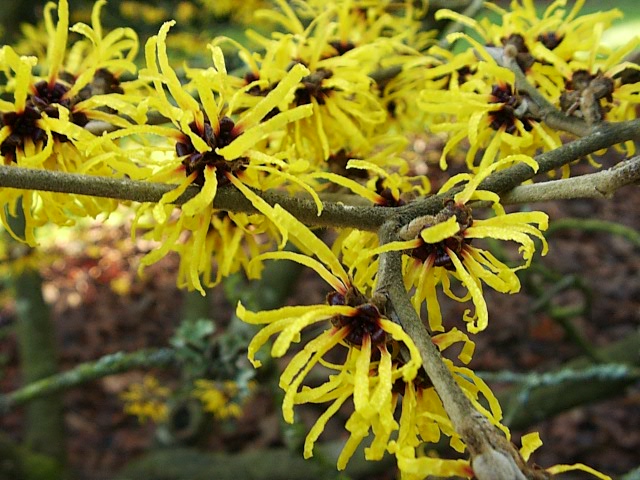
First, we began to prepare a custom essential oil for skin salves. We placed an ounce of dried comfrey, camomile, witch hazel, and chickweed into 1 cup of olive oil. This we simmered on the stove-top for three hours in order to infuse the oil with the herbal essences (the directions indicated that this should be done in an oven under 200 degrees, but Gemini's oven doesn't work so we tried it this way).

While our salve oil was simmering, we put together some lip balm using a double boiler and beeswax from Triana's bees. We mixed a warm olive oil to melted beeswax ratio of 5:1, and poured the concoction into lip balm tins already containing the essential oils of our choice. My balm contains lavender, rosemary, tea tree, and eucalyptus oils.

Triana also really wanted some natural deodorant, so we creamed together some baking soda and coconut oil, then added lemongrass, lavender, orange, tea tree, and peppermint oils. It smells fantastic!

Gemini volunteered to finish up the skin salves for each of us since it was getting late, so we melted the rest of Triana's beeswax and tried to remove the mold that had accumulated on it by straining the wax through a cheesecloth. Gemini used the rest of this (approximately two ounces) for our salves, which she would later combine in tofutti cream cheese containers with the strained oil and 2 tbs of vitamin E.

Thanks to these ladies for a wonderful, warm, and educational evening! I've never really worked with essential oils, nor did I really understand the value of them. Making oils rather than tinctures seemed to me rather frivolous and cosmetic. But now I understand how these oils can be made, how amazing this process smells (the kitchen was consumed by an overwhelming herbal-brownie aroma!), and how these oils can be used topically. Having spent more time smelling the oils, I can also better understand how simply smelling these essences can have an important therapeutic effect. I would definitely still prefer to harvest local herbs and make oils from them rather than purchase online or at the store, but you've got to start somewhere.

Resources
Skin salve: http://www.healing-from-home-remedies.com/homemade-salve.html
Lip balm: http://www.mullerslanefarm.com/salvemaking.html

Saturday, February 25, 2012

Peppermint

Peppermint (menthe piperita)
Collect aerial (above-ground) parts just before flowers open.
Contains up to 2% volatile oil including menthol, menthone, and jasmone.
Carminative (stops formation of gas in lower GI, and induces expulsion of gas), anti-spasmodic, aromatic, diaphoretic (increases perspiration), anti-emetic (effective against vomiting and nausea), aromatic, nervine, antiseptic, analgesic (pain stopper).
Excellent carminative, relaxes visceral (smooth, involuntary) muscles, stimulates bile and digestive juices. Thus excellent in treating intestinal colic and flatulent dyspepsia. Nervine tonic, good for use in treating painful menstruation (dysmenorrhea). Use with boneset, elder flowers, and yarrow to treat colds and flu. (The New Holistic Herbal, David Hoffman)

Lavender

Lavender (Lavanduala officinalis)
Native to the Mediterranean region. Pick just before the last flowers on each stalk are fully opened for optimum oil levels, between June and September. Dry and separate blossoms and leaves from stalk.

Carminative, anti-spasmodic, anti-depressant, rubefacient (topically increases blood circulation, leading to redness of the skin). Relaxing and calming effects, good sleeping aid. Leaves, as well as flowers, can have this sedative effect. Especially good for relaxing nerves and treating nerve pain. Anti-emetic (reduces nausea). Also known as aiding digestion. Long used as a remedy for giddiness, faintness, nervous palpitations, and flatulence. Combines well with lime blossom and balm to treat nerves. Lavender oil can also be rubbed into rheumatic joints to ease pain. Some claim that rubbing lavender oil on burns can aid in the healing process. Antiseptic when rubbed on the skin. Companions well with thyme, and attracts honeybees and butterflies while repelling moths. (Herbs: Their Cultivation and Usage, John and Rosemary Hemphill and The New Holistic Herbal, David Hoffman)

Thursday, February 16, 2012

The Pisces in my Life

I seem to have a disproportionate number of friends born in the month of February, all of whom I must come up with birthday presents for. My plan for this year is to create custom tea blends for each person that fits with her personality and lifeways. I put these blends of dried herbs into little mesh infusers, housed in hand-sewn pouches made from fabrics that I thought matched each individual. Each pouch had a little star button to fasten the tea infuser safely inside.

Clara: rosehips, burdock, red clover, sage, jasmine
Emily B: lemon balm, rosehips, dandelion greens, sage
Triana: nettle, red clover, lavender, jasmine

Tuesday, January 31, 2012

Thou Shalt Eat Bitter Herbs

Turns out you don't have to wait until Passover in April for a good reason to eat bitter herbs. I spent two hours on the phone last night with Andrea Lubaway, an aspiring chiropractor and all-around incredible person. Andy is currently taking Botanical Medicine 2, and was kind enough to share some of her notes with me. Through reviewing Andy's materials (which are more science-y and over my head), and my own notes from Jim McDonald's 2009 herbal intensive (which from the more holistic, energetic, plants-talk-to-me perspective) we were able to enhance one another's understanding of the topic.